Estimated Read Time: 8 minutes
Table of Contents
1. What Is the Shigmo Festival and Why Does It Matter for Your North Goa Stay?2. Where Should You Go to Experience the Best of Shigmo 2026?
3. How Do You Make the Most of Shigmo 2026 When Staying at Ashwem Beach?
4. Frequently Asked Questions
Every March, the coastline of North Goa transforms with the spring festival’s influence. The air fills with the sound of dhols, streets glow with colour and procession, and villages that might otherwise feel quiet come alive with paint and performance. This is Shigmo Festival in Goa, and if your visit falls between March 5 and March 18, 2026, you are going to witness something that few travellers get to see up close. At La Cabana Beach and Spa, right on Ashwem Beach in North Goa, we sit close to the heart of this cultural moment. We want to make sure you know exactly how to experience it, from the nearest parades to the traditions behind them, so your time here is as full as the festival itself.
Key Takeaways
• Shigmo 2026 runs from March 5 to 18 across 19 parade centres in Goa
• The festival has two forms: village-level Dhakto Shigmo and the grand Vhadlo Shigmo float parades
• Mandrem (March 9) and Pernem (March 18) are the nearest parade locations to Ashwem
• Folk dances including Ghode Modni, Fugdi, and Romta Mel are highlights of every parade
• Staying at a private beach resort in Ashwem places you within easy reach of North Goa’s best celebrations
What Is the Shigmo Festival and Why Does It Matter for Your North Goa Stay?
Not every festival you come across while travelling tells you something real about where you are. Shigmo Festival in Goa is different. It is one of those celebrations that opens a window into how Goan communities have lived, worshipped, and marked the seasons for centuries. Understanding even a little of it before you go changes how you watch the parades entirely.
• The Origins and Meaning of Shigmo
The Konkani word “Shigmo” traces back to the Prakrit word suggimaho, which comes from the Sanskrit sugrismaka. The festival is observed in the Hindu lunar month of Phalguna, falling in February or March. It marks the end of winter, the arrival of spring, and in farming communities, the ripening of winter crops. Historically it also commemorated warriors returning home after Dussehra. Today, all of that history comes together in a single fortnight of music, dance, and procession across the state.
• Dhakto Shigmo vs Vhadlo Shigmo: Understanding the Two Forms
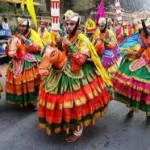
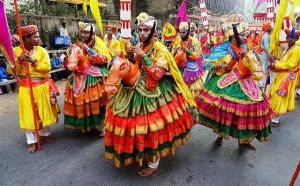
There are two versions of the festival, and knowing the difference helps you choose where to spend your evenings. Dhakto Shigmo, meaning “small Shigmo,” is the village-level celebration. It is observed by farming communities through folk songs, dances, and temple rituals. Vhadlo Shigmo, meaning “big Shigmo,” is the grand public version, featuring elaborate float parades through major towns, fully supported by the state government. Parades are led by Romtamel groups, with performers in vibrant costumes moving through the streets to the beat of dhols, tashe, and kasale. We encourage guests at our resort to experience both if possible, as each gives a completely different understanding of how Shigmo Festival in Goa is lived from the inside out.
• Folk Dances That Define the Festival
The dances performed during Shigmo each carry specific cultural meaning. Ghode Modni is a warrior equestrian dance performed by groups dressed as cavalry soldiers. Fugdi is a women’s circle dance that dates back centuries. Romta Mel is a processional form in which large groups wind through village streets. According to Goa Tourism (GTDC), these dances are dedicated to folk deities including Shantaguru, Santeri, and Shantadurga-Damodar, giving every performance a deeply devotional quality beneath all the colour. Dhalo, Talgadi, Gopha, and Veeramel are among the other forms you are likely to see at the grander parades.
Where Should You Go to Experience the Best of Shigmo 2026?
Goa is a small state, but Shigmo 2026 spreads across 19 centres over 14 days. Knowing which ones are closest to Ashwem and worth the journey is half the planning done. We have put together a practical breakdown so you can organise your evenings around the schedule without spending half your stay on the road. Ashwem sits at the northern tip of the state, which puts you within easy reach of some of the most atmospheric celebrations in the region. This is one of the real advantages of staying at a private beach resort in north Goa during the festival season.
• The Full 2026 Parade Schedule and What It Means for You
The official Shigmo 2026 schedule, announced by Goa’s Director of Tourism Kedar Naik, is as follows: Ponda (March 5), Calangute (March 6), Panaji (March 7), Mapusa (March 8), Mandrem (March 9), Bicholim (March 10), Sanquelim (March 11), Shiroda and Sanguem (March 12), Dharbandora and Cuncolim (March 13), Margao (March 14), Porvorim and Vasco (March 15), Valpoi and Curchorem (March 16), Quepem and Canacona (March 17), and Pernem (March 18). If you are with us during the first half of the festival, Calangute and Mapusa are your best options for large, accessible parades. Toward the later part of your stay, Mandrem on March 9 and Pernem on March 18 are both within 15 to 20 minutes of Ashwem and considerably less crowded than the Panaji event.
• Which Locations Are Best for First-Time Festival Visitors?
For first-time visitors, we suggest Panaji on March 7 for the largest and most organised experience, with clear parade routes, grandstands, and a strong police presence for crowd management. Mapusa on March 8 is also excellent and slightly more intimate. For a more rooted, community feel, the Mandrem parade on March 9 is our strongest recommendation from this end of Goa. You will see the same folk dances, the same decorated floats, and the same traditional instruments, but in a setting where crowds are manageable and the atmosphere feels genuine rather than staged. Our concierge team can arrange taxis and bike rentals to any of these locations.
• Rural vs Urban Shigmo: Why Both Are Worth Your Time
Village Dhakto Shigmo and city Vhadlo Shigmo are two entirely different experiences. In rural areas north of Ashwem, particularly in Pernem taluka, small temple celebrations in the days before the full moon involve the bathing and dressing of the village deity in saffron robes, communal feasts, and night-time processions through narrow lanes. These are not tourist events. They are living rituals, and if you encounter one while exploring by bike, entering with respect typically means you are welcomed. Urban parades, by contrast, are fully government-supported public spectacles with floats depicting scenes from Hindu mythology and performances that run well into the evening. Both together give you a full picture of what this spring festival in Goa means across generations.
How Do You Make the Most of Shigmo 2026 When Staying at Ashwem Beach?
Planning around a festival while on holiday takes a little thought. Parades typically begin at 4 pm and run into the evening, which leaves your mornings and midday completely free for the beach, pool, and spa. At La Cabana, the most satisfied guests during Shigmo season are those who find a natural rhythm between the two. The beach in the morning, a parade in the evening, and a good meal back at the resort under the stars. That balance makes for a genuinely complete stay.
• Practical Tips for Attending Shigmo Parades from Ashwem
Parades begin at 4 pm, so we recommend leaving no later than 3 pm to secure a good viewing position, especially for Panaji and Mapusa. Wear light cotton, as March evenings in Goa are warm. If you plan to participate in any colour-play, bring a change of clothes. Shigmo does involve gulal in some locations, though the parades themselves are primarily a viewing and cultural experience rather than a participatory colour festival. Carry cash for street food along the route, as the snack stalls during Shigmo are among the best you will find in Goa during the whole season. Our front desk can assist you with nearby parade routes and recommend taxi drivers who know the best drop-off points.
• How Our Resort Enhances the Shigmo Season Experience
Being a private beach resort in north Goa, we offer more than just a place to return to after the parade. Our Palasha Multicuisine Restaurant and Bar serves Goan and Konkani cuisine year-round, and during Shigmo season, the coastal flavours on our menu are tied to the same harvest and spring traditions the festival celebrates. Our sea views and comfy beachfront rooms are a perfect comeback spot for you to destress and luxuriate after an exhausting yet fulfilling day of indulging in the festival’s charms.
• What to Expect When You Return to Ashwem After the Parades
There is something deeply satisfying about spending an evening watching centuries of tradition come alive on the streets, and then returning to a candlelit dinner by the Arabian Sea. The contrast is part of what makes Ashwem during Shigmo so distinct. Our beachfront deck, the Cabana by the Bay offers intimate setups by the sea, and the upper deck for small private group evenings is available after the parade. And in the morning, the beach is there again, the same as always, with nothing to do but sit with a coffee and think about the evening before. That combination of the spring festival in Goa on one side and the Arabian Sea on the other is something we are genuinely proud to offer our guests.
Shigmo 2026 runs from March 5 to March 18, and whether you are with us for two nights or two weeks, there is a parade, a folk dance, or a village ritual within easy reach that will stay with you long after you have left. The best travel memories come from genuine cultural encounters, and few festivals in India offer that as openly as this spring festival in Goa does. If you are considering a stay during this season, we would love to have you at La Cabana Beach and Spa, where Ashwem Beach, the Arabian Sea, and 14 days of North Goa’s most vibrant cultural celebration all come together.
Instagram embed code: